IMG 0359 Kopie

Are We Not Entertained?

Why memorable brand spaces need more than spectacle.

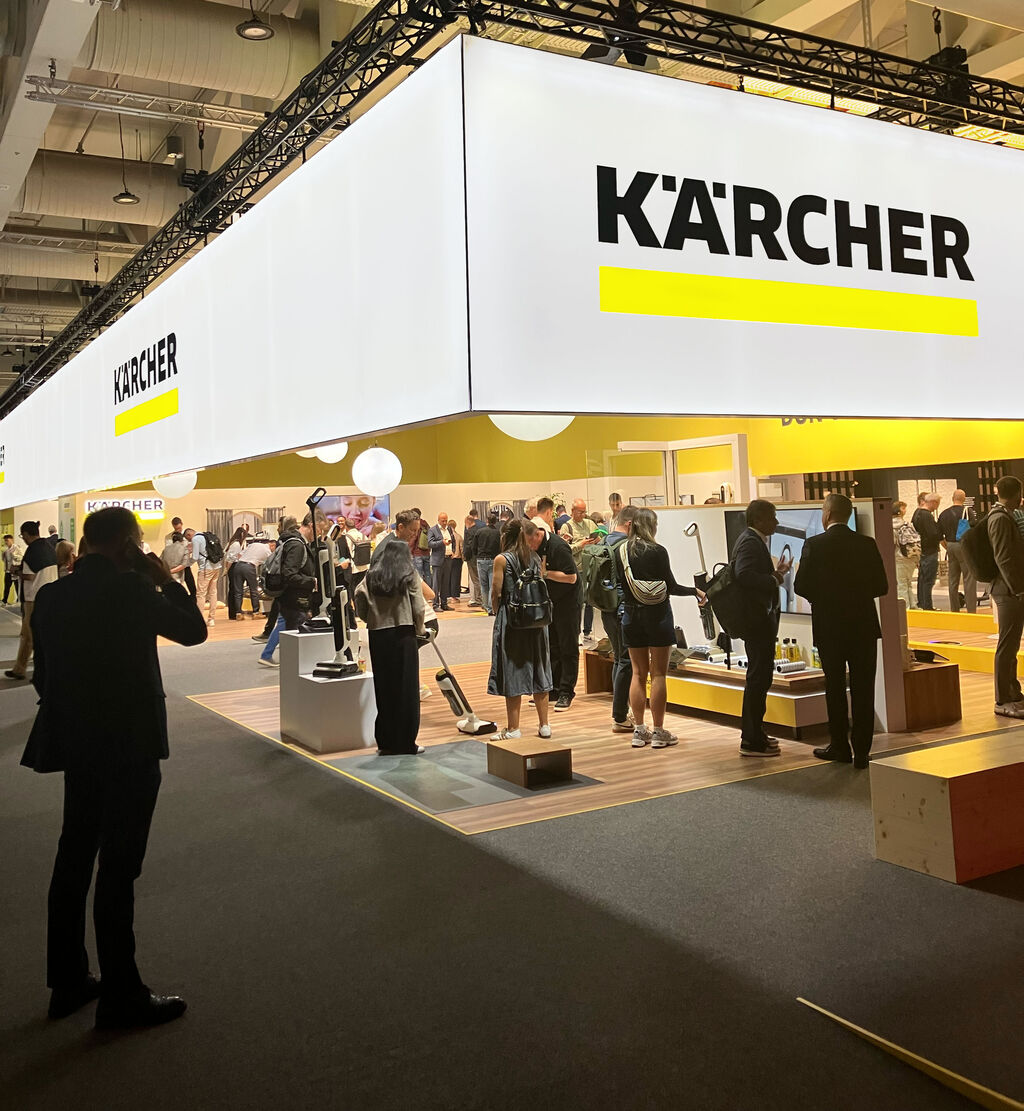
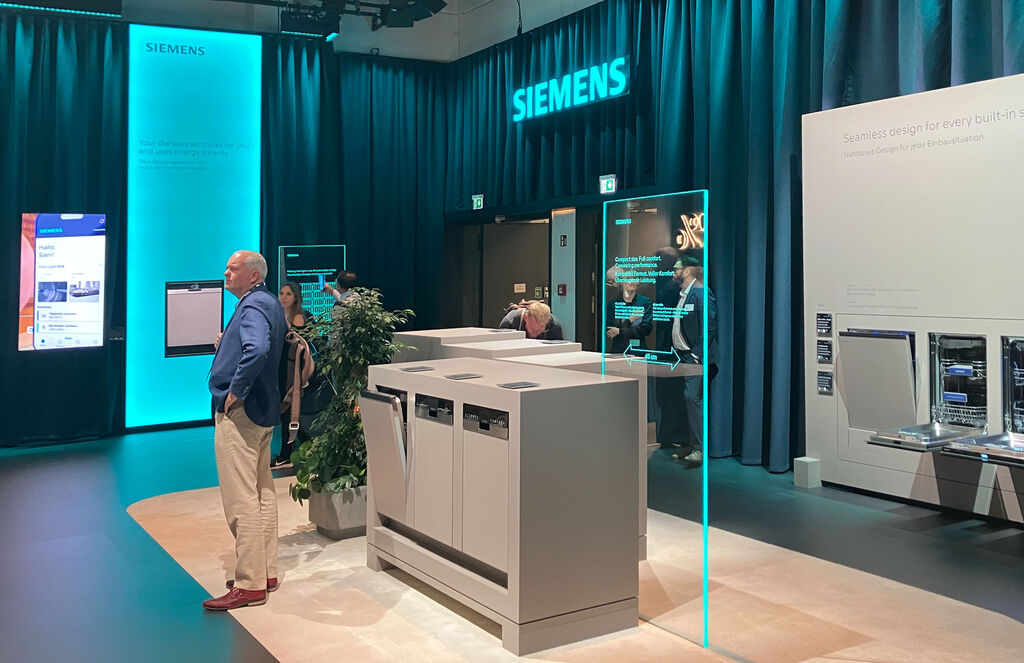
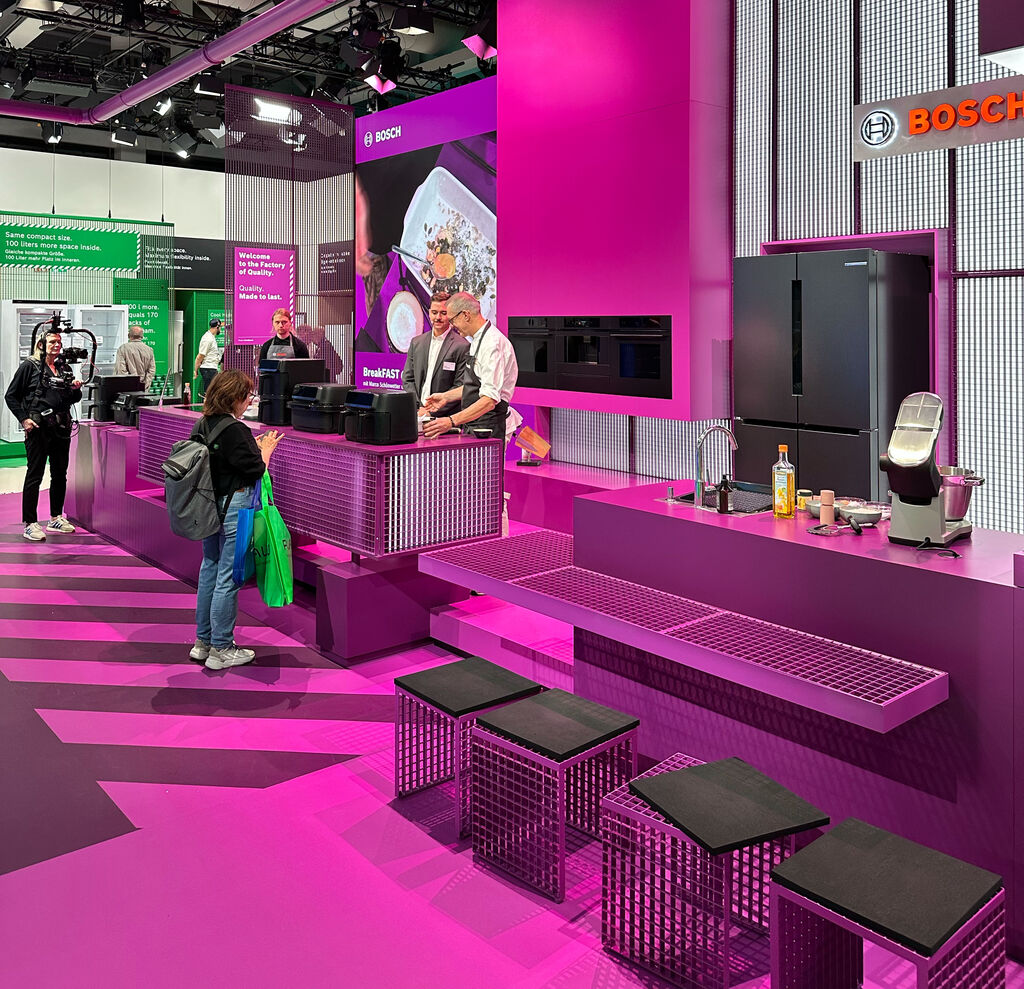
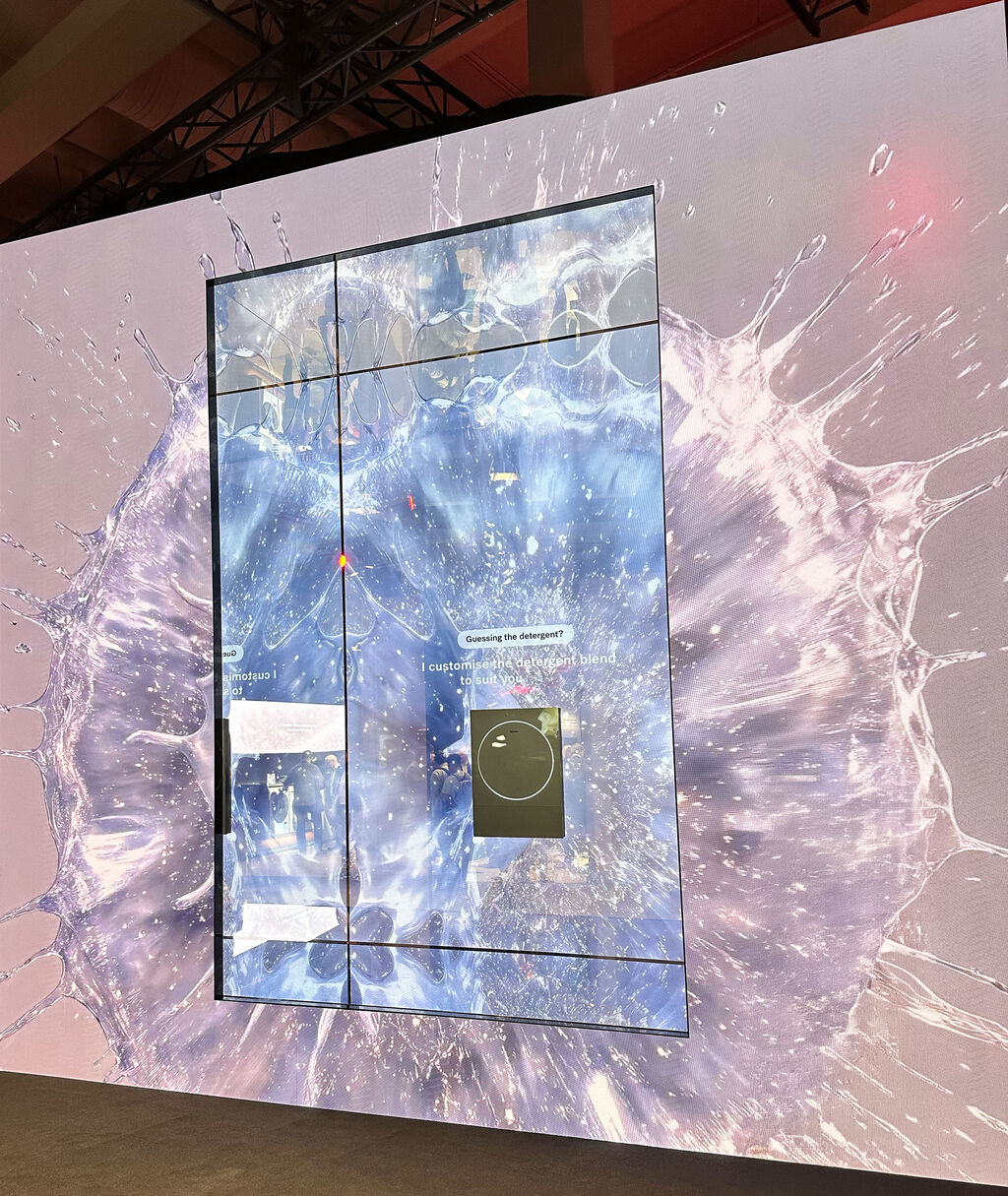
Walking through IFA this year, one question stayed with me: where are brand appearances at trade fairs heading? The tools available to brands have never been more powerful. AI-generated imagery, real-time content, LED walls, immersive scenography and digital interaction seem to make it easy to create something impressive. But that ease comes with a risk.

When Spectacle Becomes Generic

When spectacle seemingly becomes effortless, it can also become generic. The result might be what we call AI-slop in physical space: highly polished, visually overloaded environments that look expensive, but feel strangely soulless. Materials are used against their own logic. Surfaces are overproduced. Effects replace storytelling. Even though the booth becomes a stage for technology, it will not necessarily become one for the brand. And this is where the real design question begins. How do you create a spatial experience, that stands out from all the surrounding noise by exploring new formats — while staying true to the identity of the brand? How far can you move away from established brand codes and signals without losing the core? How much flashy tech is necessary? And when does a digital element create genuine value rather than simply demonstrating what is technically possible?

At IFA 2026, the moments that stayed with me were rarely the loudest ones. They were often the most precise ones.
IMG 6313 Kopie

Tangibility Still Wins

AEG showed how powerful simplicity can be. A backlit comparison of two down jackets made the difference between conventional air drying and AEG’s drying technology visible at a glance, demonstrating how insulation performance can be preserved over time. A second installation invited visitors to compare a new sweater with one that had been washed and tumble-dried ten times, making durability tangible through direct experience. No screens. No digital spectacle. Just physical proof points that turned product benefits into something people could immediately understand, see and feel.

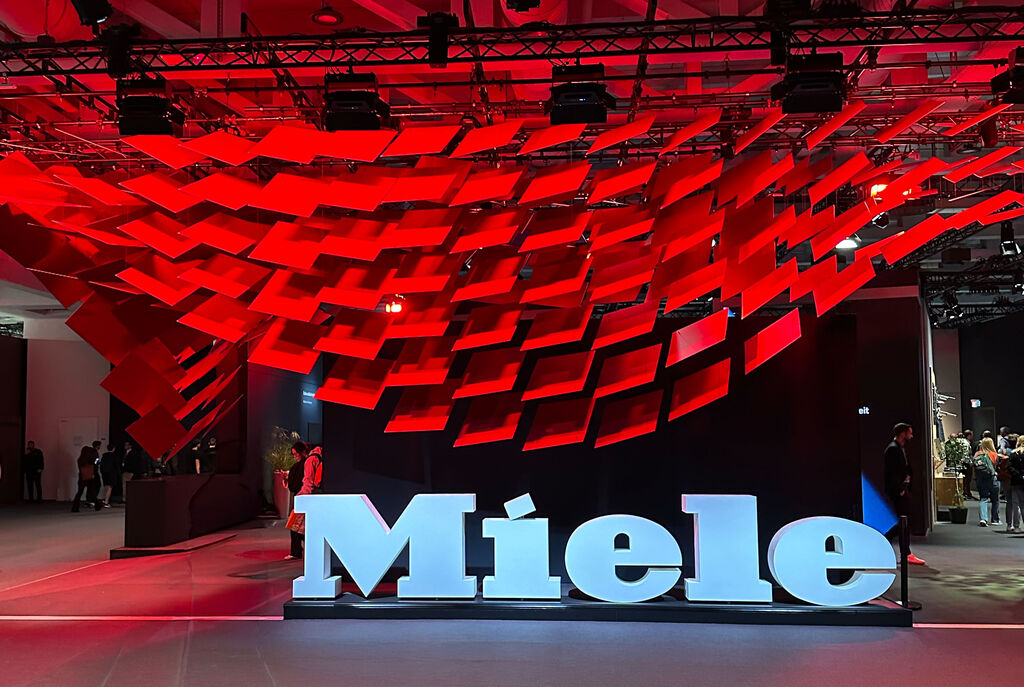
Miele showed something similar with its modular outdoor kitchen. The large scenographic staging was strong, but the surprising element was much smaller: a tactile model, no more than roughly 40 by 50 centimeters, where visitors could move the kitchen modules across a grid and compose their own setup, almost like arranging a small doll’s house. Again, nothing digital. No screen. Just an analogue playground that made modularity tangible in seconds.

These examples point to something important: analogue does not mean old-fashioned.

IMG 6296 Kopie

People do not remember square meters. They remember experiences.

Analogue experiences can be playful, engaging, and surprisingly memorable.

In the context of a trade fair, where visitors usually find themselves in a jungle of screens, a well-made physical interaction can feel more distinctive than yet another animation. But tangibility alone is not enough. This is when visitor activation comes into play. Experiences that invite people to play, discover or compete create a stronger connection with a brand.

Gorenje's gamified approach showed how entertainment can help people stick around longer, engage more deeply, and connect emotionally with a brand environment. Visitors could collect credits as they explored product-related stations throughout the stand, eventually redeeming them for small rewards. What could have been a standard product showcase became an experience that encouraged discovery, participation and play.

IMG 0334 Kopie

Designing Ecosystems

The more strategic shift may be moving from designing booths to designing ecosystems.

For years, Samsung maintained a dominant presence in CityCube Berlin, one of IFA’s flagship exhibition halls. This year, it opted for a smaller B2C experience while moving B2B into a satellite format across the city, a move that felt like an early signal. The smaller setup did not try to win through scale. Instead, it was designed around participation. Visitors explored Samsung’s connected AI ecosystem through escape-room challenges, interactive missions and content creation opportunities. Technology was not there merely to be displayed. It became part of the experience itself. Combined with a highly shareable, creator-focused environment, the result was memorable, gamified and inherently instagrammable.

Maybe the future is not always a bigger stand in a prime location. Maybe it is a smarter ecosystem.

Trade fairs draw people into a city, not necessarily only into exhibition halls. So why should brand experiences stop at the fairground gate? Pop-ups, small city activations, routes, hunts, additional benefits, or unexpected product moments can reach visitors before they arrive — even those who might not even be there for the fair.

IMG 0348 Kopie
IMG 6352 Kopie

Less Spectacle, More Relevance

To scale back, embrace analogue experiences, and consciously resist following every trend for its own sake requires courage. A small gesture, placed in the right context, can sometimes carry more relevance than yet another oversized installation.

Strong brands stand out because they know what to amplify but also what to omit. They understand when to be loud and when to be precise. They know whether a good story needs a screen, a material sample, a game, a smaller, more intimate location or simply a beautifully crafted object made tangible in someone’s hands.

Brands will win by creating experiences people want to step into, talk about, photograph, share and remember. So don’t just build another booth. Be brave. Leave the comfort zone. Create the moment others would not dare to create. Build a reason to stop. And build a reason to care.

Tech will continue to change how spatial experiences are imagined and produced. AI help us generate, test and iterate faster. But it will not replace the craft of understanding a brand deeply enough to translate it into space. This will remain a human task as it requires decision-making ability and the understanding of purpose: to decide what should be abstracted, what should be made tangible, what should be remembered — and why.